












Safety first
From the Editor
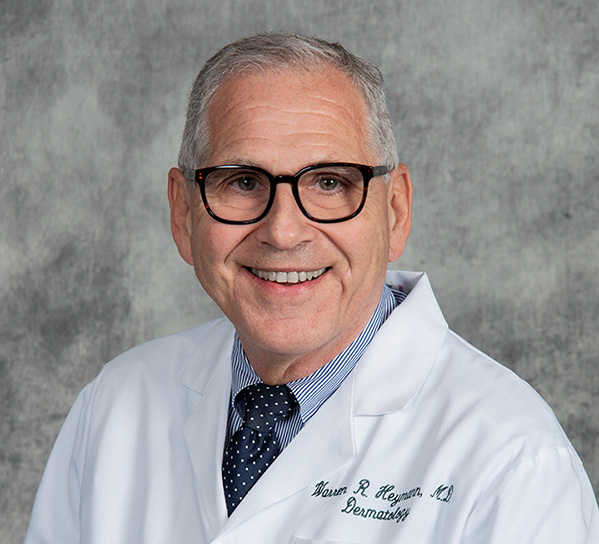
By Warren R. Heymann, MD, FAAD, March 1, 2026
Anyone who has taken a cruise knows the drill: Before heading to the pool, casino, or bar, you must learn to put on your life vest and report to your assigned muster station. Without prioritizing safety, what should be a joyous experience could become a disaster. This theme is a constant in this excellent issue of DermWorld.
There are many aspects of workplace safety, other than the obvious. I find it incredulous to think of my internship in internal medicine at Bellevue Hospital in 1979, when we did not wear gloves when drawing blood. Dermatologists face numerous hazards beyond blood-borne pathogens, including chemical exposures, lasers, and other risks. Ergonomics is often overlooked, yet it is essential for safety. If you are incapacitated by injury, you will not be able to practice. Learn how OSHA offers guidelines and compliance tools to assist us. What is particularly disturbing is the increase in workplace violence, placing health care professionals at risk. I am saddened to walk into Cooper University Hospital, where the first sign I see pleads for manners in a place of healing, stating that “New Jersey law requires us to advise you of enhanced criminal prosecution for anyone displaying violent, threatening, or abusive behavior in a health care setting. Such behavior will not be tolerated.” Please implement the suggestions on establishing a zero-tolerance policy toward workplace violence.
March 20 marks the vernal equinox this year — the glorious arrival of spring. With summer not far behind, the conversation about sunscreen intensifies, and this issue provides answers to questions about its efficacy in preventing keratinocyte carcinoma, as well as the more controversial data on melanoma prevention. Patients will inquire about potential endocrine disruption, coral reef impact, and sunscreen-induced frontal fibrosing alopecia — myth versus reality is dissected. It is hard to fathom that the FDA has not approved a new sunscreen ingredient since 1999. Perhaps the 2025 SAFE Sunscreen Standards Act will change the scenario, with an upcoming decision on bemotrizinol, a photostable broad-spectrum UVA and UVB filter.
Photoprotection is a cornerstone in managing melasma. Melasma is a challenge for patients, many of whom are depressed, anxious, and socially stressed by the disorder, and for the clinicians treating them. This featured article explores the complexities of melasma pathogenesis, resulting from the interplay of melanocyte biology, genetics, inflammation, oxidative stress, senescent fibroblasts, hormone sensitivity, and abnormal vascular responses. Aside from standard approaches with hydroquinones, retinoids, topical steroids, cosmeceuticals (vitamin C, kojic acid, niacinamide, azelaic acid), resurfacing procedures (chemical peels, microneedling, PRP, laser and light therapies), learn about the potential for newer treatments including topical and oral tranexamic acid, Polypodium leucotomas extract, cysteamine cream, and others. With persistence, the lives of patients adversely affected by melasma can be improved, regardless of their skin type.
The 2026 American Academy of Dermatology Annual Meeting will take place in Denver March 27-31. This meeting is the ultimate educational showcase of the AAD. I look forward to seeing you there. Please say hello and let us know how DermWorld can best serve you. We wish you safe travels!
