False negatives: How biotin can interfere with lab tests
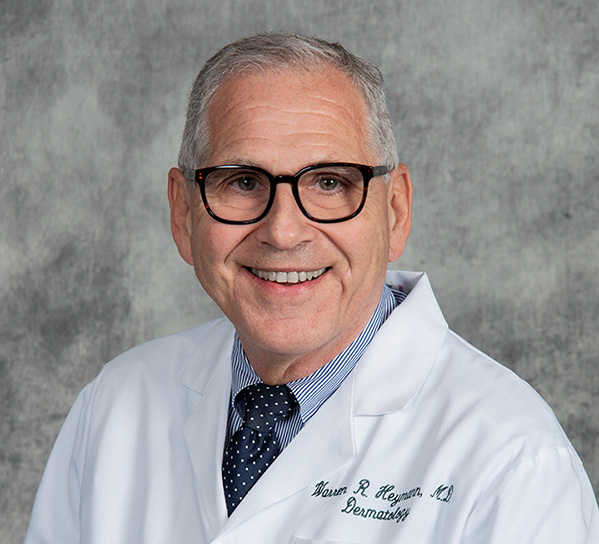
In a JAAD Letter from the Editor, Dirk Elston, MD, FAAD, discusses the various ways in which high-dose biotin supplementation may interfere with laboratory testing. “Measurement of free thyroid hormones and thyrotropin using automated immunoassays is central to the diagnosis and management of thyroid dysfunction.” Patients taking high-dose biotin are at risk of misdiagnosis and management of thyroid disorders. When ordering thyroid tests, particularly for patients with hair loss, Dr. Elston recommends asking whether patients were taking high-dose biotin at the time the tests were performed.
[Are nutritional supplements aimed at skin care helpful, harmful, or simply a placebo for patients? Read more.]
Biotin may also interfere with pregnancy tests, particularly urine testing, he continued. Human chorionic gonadotropin (HCG) detection is important to detect pregnancy and can be indicative of some forms of cancer. Biotin interference can also cause false-negative specific IgE results in patients with anaphylaxis and can potentially interfere with testing for cardiac enzymes. “Patients experiencing a heart attack could test false-negative based on high-dose biotin.”
DermWorld Insights and Inquiries: Dermatofibrosarcoma protuberans recurrence — Size matters
Dermatofibrosarcoma protuberans (DFSP) is a fascinating soft tissue tumor; although considered uncommon, with an overall annual incidence of 4.2 per million accounting for 0.1% of all cancers. I believe that those numbers may be an underestimate. With those statistics, one might never expect to encounter a DFSP — I have seen several such patients in my practice, even reporting a case. I suspect that many DWI&I readers have also diagnosed patients with a DFSP. DFSP has a meager metastatic potential but exhibits highly aggressive tissue infiltration with a propensity for local recurrence. This commentary focuses on the risk of DFSP recurrence. Keep reading!
Risk of paradoxical eczema in patients receiving biologics for psoriasis
A study published in JAMA Dermatology investigated what factors are associated with paradoxical eczema in patients with psoriasis treated with biologics. In a study of 24,997 biologic exposures in 13,699 patients with psoriasis, risk of paradoxical eczema was lower in patients taking IL-23 inhibitors compared with other biologic classes. Increasing age, history of atopic dermatitis, and history of hay fever were also associated with higher risk of paradoxical eczema. The risk was lower in males.
Cardiovascular complications in derm patients receiving JAK-STAT inhibitors
Authors of a systematic review and meta-analysis published in JAMA Dermatology evaluated whether patients receiving systemic JAK-STAT inhibitors for dermatologic indications have an increased risk of major adverse cardiovascular events (MACE) and venous thromboembolism (VTE). This study contained data from 42 placebo-controlled trials. Over a median follow-up period of 16 weeks, dermatology patients receiving JAK-STAT inhibitors had no significantly increased risk of MACE, VTE, and serious adverse events compared with those receiving placebo.
An article published in JAMA Dermatology identified and characterized current dermatology mobile applications enabled by artificial intelligence to focus on aspects including supporting evidence, regulatory status, clinician input, and data privacy measures. A total of 41 apps were analyzed.
None of the apps were approved by the FDA, and only two of the apps included disclaimers for the lack of regulatory approval. Overall, the study found that these apps lack supporting evidence, input from clinicians and/or dermatologists, and transparency in algorithm development, data usage, and user privacy. The authors concluded that “although AI dermatology mobile apps hold promise for improving access to care and patient outcomes, in their current state, they may pose harm due to potential risks, lack of consistent validation, and misleading user communication.”
Where do things currently stand with machine learning — and what does the future hold? Read more.
The American Academy of Dermatology is a non-profit professional organization and does not endorse companies or products. Advertising helps support our mission.