What are the effects of OTC moisturizers on skin barrier function?
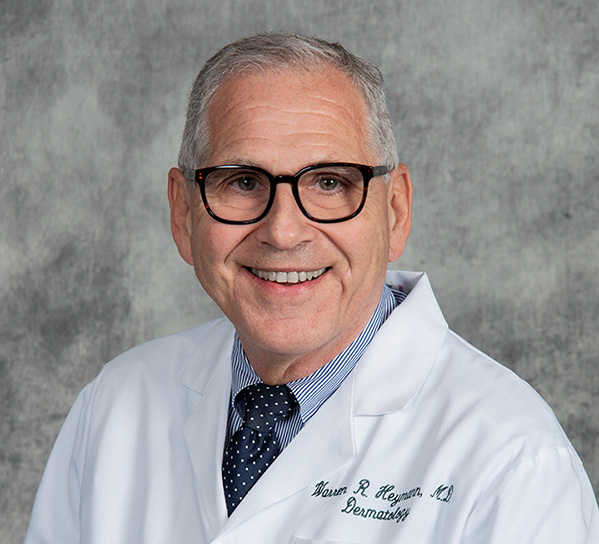
In a study published in Dermatitis, investigators found that the use of over-the-counter (OTC) moisturizers resulted in almost no change in skin barrier function.
Twenty patients with atopic dermatitis applied one of four commonly used OTC moisturizers (brands named in the study) to one nonlesional forearm and did not apply any moisturizer to the other forearm for four weeks. The investigators found that after the intervention (AD group), mean transepidermal water loss (TEWL) improved in the treated forearm and worsened in the untreated one, but the difference was not significant. There was no significant change in pH or in TEWL after tape stripping. Capacitance significantly improved in the moisturizer forearm. In total, five patients experienced adverse effects from the moisturizer.
The authors concluded that the use of OTC moisturizers led to almost no change in skin barrier function, although larger studies are needed to confirm these findings. The authors also recommend dermatologists consider the relative benefit of moisturizers for skin barrier function weighed against the risk of developing secondary sensitization to product ingredients.
What can human and veterinary dermatologists learn from each other in the management and treatment of atopic dermatitis? Find out in Dermatology World.
DermWorld Insights and Inquiries: Much ado about nothing in dermatopathology
In a utopian dermatology practice, an astute dermatologist will establish an exacting differential diagnosis, biopsy the most revealing lesion utilizing a technique providing an optimal sample, label the bottle correctly, fill out a requisition form with care and ample clinical information, and have the specimen arrive expediently at the laboratory where perfect sections are prepared for a dermatopathologist who is as astute as the clinician. Astoundingly, this process holds true most of the time, but occasionally errors occur in any of these steps, yielding an unsatisfactory result. Keep reading!
The 2021 Medicare Physician Fee Schedule was released last week. While CMS estimates that the average overall impact of changes on dermatology would be a 1% decrease in payments, the true impact will vary depending on the practices’ mix of services, with procedure-heavy practices seeing significant cuts while cognitive-focused practices will likely see sharp increases. Read about how the fee schedule will impact dermatology.
ABMS Draft Standards for Continuing Certification Call for Comments delayed until April 2021
The American Board of Medical Specialties (ABMS) was prepared to release its Draft Standards for Continuing Certification – Call for Comments in early December, in accordance with the time frames established in the Continuing Board Certification: Vision for the Future Commission’s final report. However, the recent surge in COVID-19 cases has prompted ABMS to postpone the opening of the public comment period until April 2021 to better allow for meaningful public commentary and engagement. Information regarding how to share feedback will be included in the updated Call for Comments opening date communications.
Participate in the COVID-19 Dermatology Registry
As COVID-19 cases continue to soar across the country, the health care community is working overtime to better understand and treat this disease. Just a few months ago, the COVID-19 dermatology registry was launched, and patterns of skin manifestations of the disease were being recorded.
Data analysis from the registry has helped physicians and other health care professionals quickly recognize skin symptoms of COVID-19, including “COVID toes.” In turn, these discoveries have helped physicians and other health care professionals quickly diagnose and refer treatment for patients during a critical time.
If you have previously entered a case and want to submit additional information, please email covidregistry@aad.org. Questions? Visit the registry website or review the FAQs.
Academy seeks assistant secretary-treasurer nominees
Applications and nominations are now being solicited for the position of assistant secretary-treasurer for the American Academy of Dermatology and AAD Association for the term beginning March 2022.
Members interested in serving the Academy in this position should have significant administrative and financial management experience. The position of assistant secretary-treasurer requires a considerable time commitment. Applicants must be able to serve for six years: three years as assistant secretary-treasurer and three additional years as secretary-treasurer.
Learn more about the position and apply at www.aad.org/AST. Applications are due Jan. 4, 2021. Questions may be directed to Cyndi Del Boccio in the AAD Executive Office at (847) 240-1041 or cdelboccio@aad.org.
Deadline extended for MIPS extreme and uncontrollable circumstances application
CMS is extending the extreme and uncontrollable circumstances application deadline for the 2020 performance year from Dec. 31, 2020, to Monday, Feb. 1, 2021, at 8 p.m. ET. Learn more about how to apply.
The American Academy of Dermatology is a non-profit professional organization and does not endorse companies or products. Advertising helps support our mission.