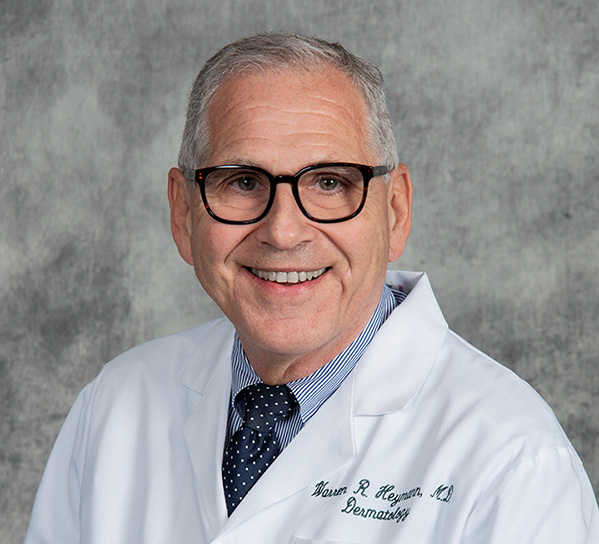
AADA addresses lidocaine shortage with manufacturers
The AADA recently met with manufacturers Fresenius Kabi and Pfizer to discuss Academy members’ concerns with the ongoing lidocaine shortage. Both manufacturers noted a significant increase in demand for lidocaine and estimated relief by late 2023.
While shipment and manufacturing delays are straining the supply chain, Fresenius Kabi estimates physicians should expect relief by the fourth quarter of 2023. In response to the increased demand for lidocaine, Fresenius Kabi is investing in its manufacturing and distribution capabilities, including building a new manufacturing facility that will begin production in 2024.
Pfizer recognizes the shortages are a cause of concern and is working to rebuild its inventory. While Pfizer predicts it will fully “recover” by early 2024, representatives assured the AADA that physicians should expect relief around fall 2023.
The AADA is also engaging with key stakeholders, including the trade association for pharmaceutical distributors and The End Drug Shortages Alliance, to collaborate on potential policy solutions. For questions or to share your experiences, contact Stephanie Croney, JD, the Academy’s assistant director of regulatory policy, at scroney@aad.org.
DermWorld Insights and Inquiries: A nail-biting commentary
Reading advice columns has been a lifelong habit, having been enamored as a youth by the practical wisdom offered by “Dear Abby” (Pauline Esther Friedman Phillips) and her twin sister “Ann Landers” (Esther Pauline Friedman Lederer). Another long-standing habit, I’m embarrassed to admit, is nail-biting (onychophagia). Naturally, I was intrigued by Carolyn Hax’s advice column in the Philadelphia Inquirer (syndicated from the Washington Post) titled “Boyfriend is a ‘relentless’ nail biter. How to make him stop?” There are multiple potential complications of onychophagia, including shortening or loss of the nail, onychoschizia, chronic paronychia, infections, pterygium inversum unguis, splinter hemorrhages, melanonychia, and leukonychia. With a pertinent medical history, physical examination (skin, mucous membranes, and nails), and appropriate laboratory studies, clinicians should be able to differentiate onychophagia from psoriasis, lichen planus, melanonychia (due to other etiologies), and onychomycosis. Keep reading!
Risk of rebound psoriasis flare from systemic corticosteroids
In a retrospective cohort study published in JAAD, the study authors explored the relationship between psoriasis flares and corticosteroid use. Of the psoriasis patients, 56% experienced a psoriasis flare with a 10% or more increase in body surface area affected after oral corticosteroid use for any indication.
[What's coming down the psoriasis pipeline? Read more inDermWorld.]
Most patients were also on biologics and required a change in therapy after using corticosteroids. The flares occurred between three and seven weeks after the steroid taper. The authors recommend that dermatologists and the non-dermatologic community should avoid prescribing systemic corticosteroids to psoriasis patients.
Read Long et Choi’s comment on this study published online inJAAD.
DermWorld Young Physician Focus: Weighing our options for pediatric care
Pediatric atopic dermatitis (AD) and psoriasis have significant, long-lasting negative effects on the quality of life of both children and their families. These diseases are a good reminder that the dermatologic treatments we provide are much more than ‘skin deep.’ This month’s DermWorld article, “Weighing the options,” discusses promising results from the use of biologic medications approved for treatment of pediatric AD and pediatric psoriasis. When considering treatment with a biologic, we must weigh any potential risks while remembering that the implications of insufficiently treated disease are also deleterious. Read more from DermWorld Young Physician Advisor Bridget McIlwee, DO, FAAD.
In response to the efforts of the AADA’s Patient Access and Payer Relations (PAPR) Committee leadership and payer advocacy staff, United Healthcare (UHC) updated and modified several policies:
Effective Mar. 1, 2023, UHC will waive the prior authorization requirement if adjacent tissue transfer is billed in association with a Mohs procedure code. PAPR Committee leadership advocated strongly for this change to minimize claims denials and undue administrative burden on dermatologists who submit claims for Mohs procedures.
UHC will arrange a call with PAPR leadership to further discuss the carrier’s prior authorization strategy and gather feedback on ways to improve the process. PAPR leadership will use this opportunity to advance the Academy’s position on streamlining the prior authorization process to increase access to dermatological care and treatments.
As reported last year, the AADA advocated against UHC’s policy to reduce payment when surgeries are performed on the same patient and on the same or next day by different specialties. In November 2022, UHC announced a policy change to cease the payment reduction, and since it needed to automate claims edits, UHC was processing impacted claims manually. However, dermatologists reported getting denials and needing to appeal. UHC confirmed that its edits will be completed in their claims systems by the end of February 2023, and dermatologists can expect to see a significant reduction in the number of inappropriately denied claims.
The American Academy of Dermatology is a non-profit professional organization and does not endorse companies or products. Advertising helps support our mission.