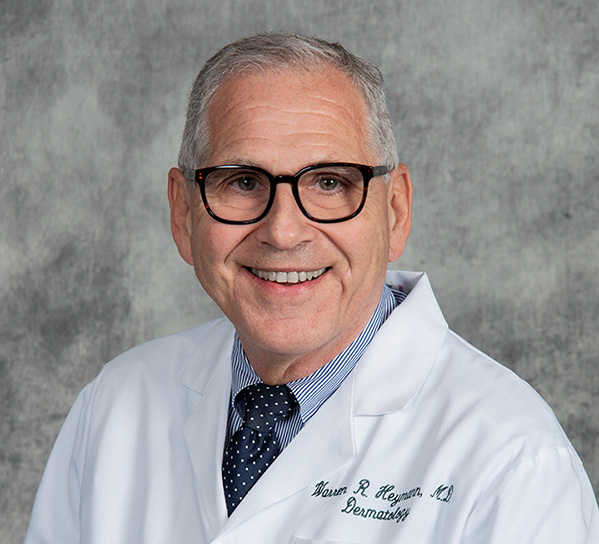
Can dermatology employers require employees to receive the COVID-19 vaccine?
With COVID-19 vaccines finally receiving government approval and beginning to be distributed across the country, many health care employers, including dermatology practices, are wondering whether they can require their employees to receive the vaccine to protect the health and safety of other employees and patients who are on the premises. Additionally, health care employers may wonder whether they can bar an employee from the premises or even terminate an employee if the person has a legitimate reason for not taking the COVID-19 vaccine.
Read more in DermWorld.
Access Academy resources related to COVID-19 vaccines, including information on getting vaccinated, advising patients about vaccination, becoming a vaccinator, coding for vaccination, and side effects of vaccines, in the Academy's Coronavirus Resource Center.
DermWorld Insights and Inquiries: Playing the field — Introducing tirbanibulin for actinic keratosis therapy
Field therapy is a cornerstone of actinic keratosis (AK) management. Two years ago, a New England Journal of Medicine article demonstrated that 5-fluorouracil (5-FU) was the best among inadequate therapies (compared to imiquimod, MAL-PDT, and ingenol mebutate). However, a new product is on the horizon that warrants readdressing AK therapy. During the past two years, the landscape of AK field therapy has changed for three reasons... Keep reading!
DermWorld Young Physician Focus: Settling into the New Year
I’m not a fan of resolutions, but one of the things I did last year to cope with pandemic mayhem was establish a regular exercise routine. Making a fool of myself trying to use the complex weight machines always dissuaded me from going to a gym, so being forced to exercise at home has been the perfect solution. One of the fitness instructors I follow is always preaching about being “comfortable in the discomfort” — acknowledging that things are difficult and finding the mental toughness to do it anyways. Read more from DermWorld Young Physician Advisor Jenna O’Neill, MD.
FDA grants orphan drug designation for advanced melanoma treatment
The U.S. Food and Drug Administration (FDA) has granted orphan drug designation to the novel viral immunotherapy PVSRIPO for the treatment of patients with advanced stage IIB through IV melanoma. Orphan drug designation is granted to drugs or biologic products intended for the treatment of rare diseases or conditions that impact fewer than 200,000 people in the U.S.
In a Phase 1 monotherapy study, patients with anti-PD-1 refractory advanced melanoma who received three injections of PVSRIPO had an overall response rate of 67%. A Phase 2 study is currently recruiting to investigate the efficacy and safety of PVSRIPO alone or in combination with anti-PD-1 inhibitor.
Read more about new drug combinations for melanoma as well as how dermatologists are key providers in the multispecialty care of melanoma inDermWorld.
According to an article published in The Journal of Dermatology, there is increasing evidence of a positive association between autoimmune disorders and a subsequent risk of dementia. Patients with vitiligo may be more likely to develop dementia, which may be because both involve autoimmune-related inflammation.
The study authors analyzed data from adults aged 45 years or older with and without a vitiligo diagnosis from 1998 – 2011. Study participants were followed up until Dec. 31, 2013, a dementia diagnosis, or death, whichever occurred first.
The results showed a five-fold increased risk for dementia in patients with vitiligo. Patients with vitiligo had an increased risk for developing Alzheimer dementia (adjusted hazard ratio 12.22) and vascular dementia (adjusted hazard ratio 3.99) compared with control patients.
The American Academy of Dermatology is a non-profit professional organization and does not endorse companies or products. Advertising helps support our mission.