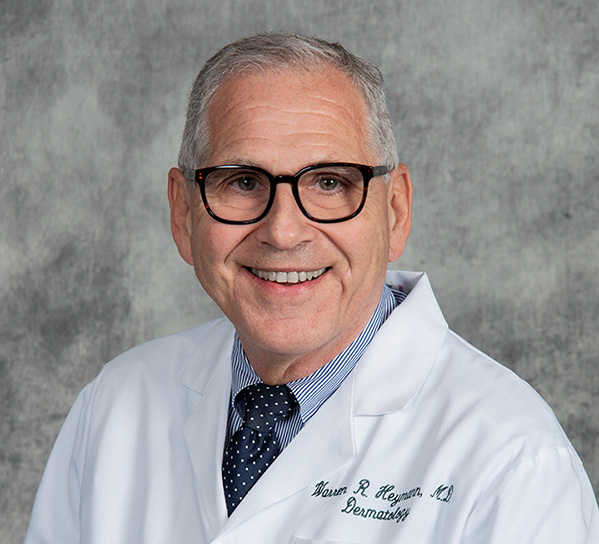
Association between hydrochlorothiazide use and nonmelanoma skin cancer
In August 2020, the U.S. FDA approved changes to the hydrochlorothiazide (HCTZ) drug label to indicate that cumulative HCTZ use is linked to the development of nonmelanoma skin cancers. In a recent article published in Dermatologic Surgery, an observational, cross-sectional survey aimed to assess the awareness regarding the increased risk of skin cancer with HCTZ among dermatologists and identify barriers to screening and counseling patients.
Most respondents were aware of the risk before the survey but not of the change in the drug label and recommendations for cutaneous malignancy screening. The most reported barrier to counseling was the lack of specific guidelines regarding skin cancer screening recommendations for patients receiving HCTZ. The authors conclude that dermatologists should be aware of the increased risk of nonmelanoma skin cancer in patients receiving HCTZ. Guidelines on screening practices may help increase awareness and improve patient counseling, they added.
DermWorld Insights and Inquiries: After 23 years, a syndrome converted me into an eflornithine believer
I learned that Vaniqa (eflornithine - α-difluoromethylornithine [DFMO]) was discontinued. Topical eflornithine was released in 2000 to reduce facial hirsutism. When the drug was released, I recall being fascinated by the premise of its mechanism. Polyamines are critical for hair growth — eflornithine functions by irreversible inhibition of ornithine decarboxylase, an enzyme responsible for the catalysis of ornithine to the polyamine putrescine. Several studies demonstrated efficacy compared to controls. Benefit was improved when combined with other medical anti-androgens (oral contraceptives, spironolactone), mechanical methods (shaving, waxing, threading, plucking, chemical depilatories), and the alexandrite laser. Topical eflornithine cream demonstrated an additive effect on long-pulsed Nd-YAG laser, enhancing the rate and degree of hair reduction and inflammatory papules in pseudofolliculitis barbae in men. Keep reading!
Potential applications of ChatGPT in dermatology
An article published in the Journal of the European Academy of Dermatology and Venereology explored the specific uses of ChatGPT, such as creating standardized clinic letters to inform patients of the results and creating patient information handouts for various diseases or therapeutic modalities in the field of dermatology.
The authors also warn of the potential pitfalls of using ChatGPT, such as its inability to understand complex conditions as well as potential misdiagnosis when used to help diagnose conditions and ethical dilemmas when used in the academic setting.
Read more about ChatGPT in academic medicine inDermWorld Weekly.
JAK inhibitors for lichen planus
A systematic review published in the Journal of Cutaneous Medicine and Surgery investigated the use of JAK inhibitors for treating lichen planus. The JAK inhibitor used the most was tofacitinib followed by baricitinib, ruxolitinib, and upadacitinib. Half of the patients were on other concurrent systematic therapies. Overall, 73% of patients achieved partial or complete resolution.
Patients achieving complete resolution represented 25% in the baricitinib group, 10% in the tofacitinib group, 16.7% in the ruxolitinib group, and 100% in the upadacitinib group. Partial resolution patients represented 31.3% of baricitinib patients, 60% of tofacitinib patients, and 83% of ruxolitinib patients. Nearly 44% of baricitinib patients and 10% of tofacitinib patients had no resolution of lesions.
JAAD ranks No. 1 among dermatology journals for fourth year running
The Journal of the American Academy of Dermatology is the top peer-reviewed journal in its field, according to the 2022 impact factor rankings published by Clarivate’s Journal Citation Reports (JCR) Web of Science Group. JAAD’s 2022 impact factor of 13.8 is the best among 93 dermatology journals. Read more.
Academy involved at White House Fourth of July celebration
On July 4, the AADA was part of the White House’s Fourth of July celebration as part of the Cancer Moonshot team, where AAD branded sunscreen, lip balm, and informational flyers on sun safety and skin cancer were distributed. Attendees were surprisingly eager to get the sunscreen on the 90+ degree and sunny day in Washington, D.C., and learn about practicing safe sun care.
White House guests included military families, pediatric patients, and others. Office of the First Lady and the Office of Cancer Moonshot Engagement invited the Academy to participate after our work earlier this year targeting ways the White House can increase skin cancer awareness prevention.
The Academy shared its mission and encouraged the public to help prevent skin cancer, the most common form of cancer in the U.S., affecting 1 in 5 Americans in their lifetimes.
Advertisement
The American Academy of Dermatology is a non-profit professional organization and does not endorse companies or products. Advertising helps support our mission.