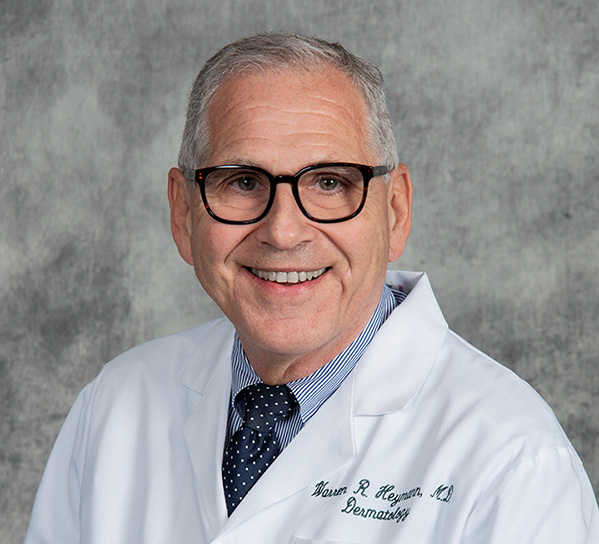
In study published inMycoses, authors performed a clinical trial comparing the efficacy of combined itraconazole and acitretin versus either treatment alone in the treatment of onychomycosis. One hundred and thirty-five patients, equally subdivided into three groups, with fingernail and/or toenail onychomycosis were treated with oral itraconazole pulse therapy (400 mg/day for one week/month), 25 mg of oral acitretin daily, or combined pulsed itraconazole with 25 mg of acitretin daily for a total of three months.
Mycological cure (defined as negative direct KOH microscopy and negative culture) and complete cure (defined as mycological cure as well as a clinically normal nail) were observed in 51% and 20% of the itraconazole group, 29% and 29% of the acitretin group, and 80% and 53% of the combined group, respectively. The study results show that combination therapy was significantly superior to either individual treatment and had the advantage of overcoming fungal resistance and minimizing recurrence.
DermWorld Insights and Inquiries: A new wrinkle in the diagnosis of cystic fibrosis?
Sir, - I have observed that the skin of children with cystic fibrosis wrinkles excessively early when soaked with tap water. The physical sign is highly reliable irrespective of the degree of nutrition of the patient…It is possible that the disorder of salt flux in cystic fibrosis is connected with the apparent excessive hypertonic reactivity of the skin. Three minutes and a bowl of water might provide a cheap screening test for this condition. – R.B. Elliott
Cystic fibrosis (CF) is an autosomal recessive disorder of exocrine gland function that most commonly affects those of Northern European descent at a rate of 1:3500. Clinically, it is manifested by chronic sinopulmonary infections and pancreatic insufficiency. The most common cause of death is end-stage lung disease. CF is caused by a genetic mutation on chromosome 7 that codes for transmembrane conductance regulator (CFTR) protein, which functions as a transmembrane cAMP-activated chloride channel. The most common mutation is delta F508, which is found in two-thirds of all cases worldwide. Despite the new class of medications known as CTFR modulators, most patients succumb to end-stage lung disease around the fourth decade of life. Dermatological features of CF include “salty sweat” and acrodermatitis enteropathica secondary to zinc deficiency due to malabsorption from pancreatic insufficiency. Keep reading!
Injury and litigation in cutaneous laser surgery
A study inDermatologic Surgery showed that the majority of laser surgery lawsuits resulted from non-physician operators. A total of 69 cases of liability claims from cutaneous laser surgery over the last decade were identified from public legal documents. Non-physician operators were involved in 71% of cases and 17% involved non-core aesthetic physician operators. Plastic surgeons were involved in six cases. The average indemnity payment was $320,975.
Experts identify the steps needed to ease the looming physician workforce shortage in DermWorld.
A prospective cohort study published inJAAD analyzed how switching from oral to subcutaneous methotrexate affects patient-reported adverse effects. Eighty-three adults treated with oral methotrexate for at least three months were evaluated after switching to subcutaneous methotrexate for reasons including GI side effects, asthenia, malaise, fatigue, headache, elevated liver function test, and lack of efficacy. The median dose was 15 mg weekly for both formulations. The frequency and intensity of both nausea and asthenia decreased at the three-month follow-up.
What’s new in dermatology? Experts break down diagnoses you didn’t know about 10 years ago. Read more inDermWorld.
FDA warns against use of Renuvion/J-Plasma device for certain aesthetic procedures
The FDA has warned consumers and health care providers against the use of the Renuvion/J-Plasma device by Apyx Medical for aesthetic procedures intended to improve the appearance of the skin through dermal resurfacing or skin contraction.
The Renuvion/J-Plasma device is FDA cleared for general use of cutting, coagulation, and ablation of soft tissue during open and laparoscopic surgical procedures. The use of this device has not been determined to be safe or effective for any specific procedure intended to improve the appearance of the skin. The FDA has received reports describing serious adverse events when the Renuvion/J-plasma device was used directly on or under the skin, including second- and third- degree burns, infection, change in skin color, scars, nerve damage, significant bleeding, and air or gas accumulation under the skin, in body cavities, and in blood vessels.
The FDA is instructing consumers to ask providers about whether they plan to use the Renuvion/J-Plasma device during procedures as well as to seek care from a licensed health care provider should they experience any problems or concerns after a procedure using the device was performed.
Extension of COVID-19 telehealth waivers
Last week, Congress passed the Consolidated Appropriations Act of 2022 (H.R. 2471), which extends certain telehealth COVID-19 waivers for an additional 151 days past the end of the public health emergency (PHE), which is in effect until April 16, 2022.
Highlights of the waivers include:
Expand originating site to the home and allows for expansion of telehealth to all remote locations
Do not allow for a facility fee (typically $20) to be charged in these added sites
Allow for qualified occupational therapists, physical therapists, speech language pathologists, and audiologists to provide telehealth services
Allow for Federally Qualified Health Centers and Rural Health Centers to provide telehealth services
Allow people with high deductible plans to pay for telehealth with their HSA
This extension sets a timetable for committees in the House and Senate to write legislation that would not disrupt the virtual services currently received by Medicare patients. The Academy will continue to inform members about updates to the corresponding waivers and whether the PHE is extended for an additional 90 days.
Advertisement
The American Academy of Dermatology is a non-profit professional organization and does not endorse companies or products. Advertising helps support our mission.