












March 31, 2021
IN THIS ISSUE / March 31, 2021
Studies show skin rashes are highly predictive of positive COVID-19 results
DermWorld Insights and Inquiries: Netherton syndrome — From apex to nether
New AAD research grant focuses on understudied hair disorders
Medicare claims to be held until House can pass 2% sequester suspension
How does COVID-19 impact patients with bullous pemphigoid, pemphigus?
FDA accepts AADA’s recommendation to improve access to quinacrine

Studies show skin rashes are highly predictive of positive COVID-19 results
A study published in the British Journal of Dermatology found that skin rashes independently or in combination with other COVID-19 symptoms are predictive of a positive COVID-19 swab test.
[Include your COVID encounters in the COVID-19 Dermatology Registry.]
The authors used data from 336,847 U.K. users of a COVID symptom app and 11,544 respondents from an independent online survey. They found a significant association between skin rashes and positive swab test results using data from the app (odds ratio, 1.67).
Among online survey respondents, 17% of COVID-19-positive cases reported skin rashes as the first presentation — and 21% as the only clinical sign of COVID-19.
[Warren Heymann, MD, wrote a series called "The profound dermatological manifestations of COVID-19," featured in the March 18, March 25, April 8, April 22, May 13, July 29, and Sept. 23 issues of DermWorld Weekly.]
Related content:
DermWorld Insights and Inquiries: Netherton syndrome — From apex to nether
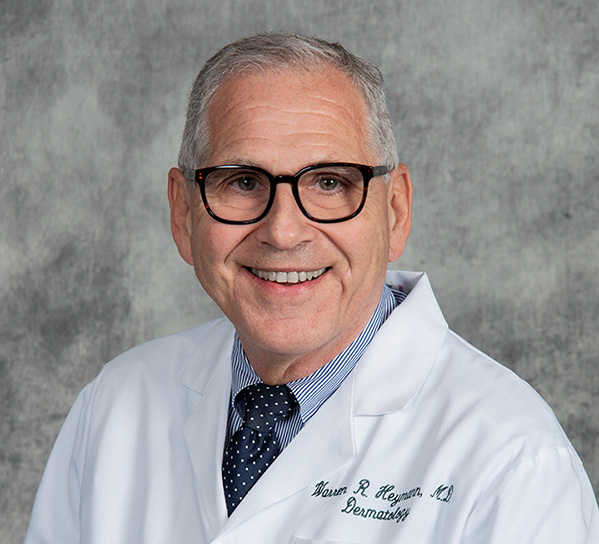
NS (OMIM 256500) is a rare autosomal recessive disorder, due to germline mutation of SPINK5, affecting one in 100,000 to 200,000 live births. Congenital ichthyosiform erythroderma (CIE) and/or ichthyosis linearis circumflexa (ILC), hair shaft abnormalities (notably trichorrhexis invaginata, TI) and an atopic diathesis (elevated serum IgE) characterize the syndrome. NS is often misdiagnosed as atopic dermatitis due to the presence of eczematous skin lesions and other allergies. Neonatal cases may be complicated by hypernatremic dehydration and failure to thrive. Keep reading!
New AAD research grant focuses on understudied hair disorders
The AAD Hair Loss and Alopecia Initiative in Research (HAIR) Grant Program will be offered to dermatologists, researchers, and trainees in the United States for research projects that address gaps in hair disorders research.
DermWorld Weekly speaks with Maria K. Hordinsky, MD, chair of the Academy’s Wen Cy Pres Award Workgroup, and Susan C. Taylor, MD, member of the Wen Cy Pres Award Workgroup, about how the AAD came to offer this grant and its significance to the specialty. Read the full interview.
Medicare claims to be held until House can pass 2% sequester suspension
Due to tireless efforts by the AADA and the entire medical community, the U.S. Senate voted last week to extend the hold on a 2% cut to Medicare payments through the end of 2021. The bill is expected to pass the House before being signed by President Joe Biden the week of April 12. However, the hold on automatic Medicare spending cuts due to the sequester, which is a budget-controlling effort established in 2012, is due to end today, March 31, 2021.
To save effort for physicians and Medicare Administrative Contractors (MACs), CMS has instructed MACs “to hold all claims with dates of service on or after April 1, 2021, for a short period without affecting providers’ cash flow. This will minimize the volume of claims the MACs must reprocess if Congress extends the suspension; the MACs will automatically reprocess any claims paid with the reduction applied if necessary.”
How does COVID-19 impact patients with bullous pemphigoid, pemphigus?
In a recently published JAAD article, study investigators found that the risk of COVID-19-associated hospitalization was comparable between patients with bullous pemphigoid (BP) and controls, whereas the risk of COVID-19-associated mortality was higher among patients with BP.
The risk of COVID-19, COVID-19-associated hospitalization, and COVID-19-associated mortality was similar in patients with pemphigus and the controls. Since the use of systemic corticosteroids and immunosuppressants did not predispose COVID-19-positive BP and pemphigus patients to more severe illness, the authors recommend maintaining these treatment agents during the pandemic.
Access clinical guidance resources for the COVID-19 pandemic in the Academy’s Coronavirus Resource Center.
Related content:
FDA accepts AADA’s recommendation to improve access to quinacrine
As a result of the AADA’s multi-year effort to improve access to quinacrine hydrochloride (quinacrine), the U.S. Food and Drug Administration (FDA) has proposed adding quinacrine as a bulk drug substance for the 503B bulks list to compound drug products in oral dosage forms at strengths of 25-100 milligrams for the treatment of cutaneous lupus erythematosus (CLE).
The AADA has urged the FDA to take this step through targeted advocacy including testimony at the 2016 FDA Compounding Advisory Committee hearing, meetings, and comment letters, both directly and in collaboration with other organizations. Currently, quinacrine is in short supply due to problems with the manufacturing pipeline. While this action will not improve the supply issue, it does preserve the ability of the substance to be prepared for patients with CLE. Exclusion of quinacrine on the bulks list would mean the drug would not be available to patients in the U.S. The AADA will be submitting comments supporting the FDA’s recommendation. Comments are due to the FDA within 60 days of the March 24 notice publication date.
Read about how advances in understanding disease pathogenesis and treatments offer new promise for patients with connective tissue disease in DermWorld.
Related content:
The AAD Virtual Career Fair is virtually here!
The Academy’s Virtual Career Fair, a free event hosted by AAD Career Compass, will be held April 8, 2021, from 4-7 PM CDT. During this online event, dermatology professionals can connect with private practice employers, group practices, hospitals, health systems, and other recruiters. Browse employer profiles and open dermatology positions, and privately interact with employers via live chat or live video chat.
