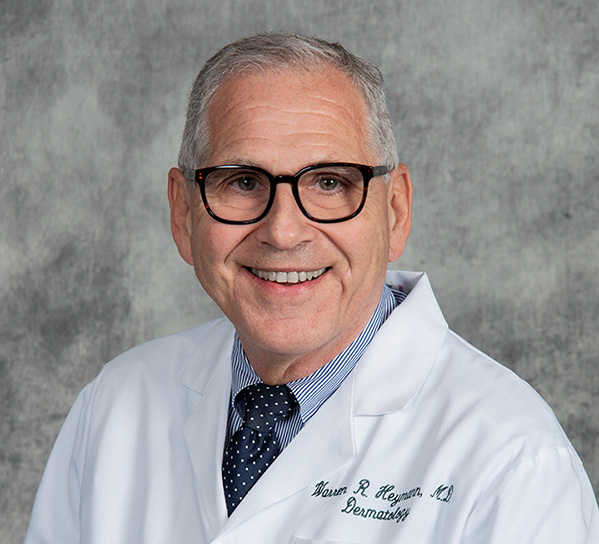
Oral oxybutynin chloride for hidradenitis suppurativa patients?
In a prospective study published in the Journal of the European Academy of Dermatology and Venereology, authors evaluated the efficacy of oral oxybutynin chloride for patients with hidradenitis suppurativa (HS). Patients with HS with or without hyperhidrosis received 10 weeks of oral antibiotic therapy. After antibiotic therapy, 23 patients were randomized to receive oral oxybutynin chloride for 24 weeks and 23 patients received placebo. At 24 weeks, patients treated with oxybutynin chloride had significantly fewer flares and a shorter duration of flares as well as improved quality of life and pain measures compared with those in the control group. The presence of hyperhidrosis did not correlate with the efficacy of the treatment, the authors noted.
Experts discuss the benefits of personalized treatment plans for patients with HS in DermWorld.
DermWorld Insights and Inquiries: Necrobiosis lipoidica in a Wink
Ninety years have transpired since Urbach coined the term “necrobiosis lipoidica diabeticorum” (NLD) for the granulomatous disorder first described by Oppenheim in 1929 as “dermatitis atrophicans lipoidica diabetica.” Early authors observed sclerotic plaques with erythematous, violaceous borders, yellowish centers, and telangiectasias, predominantly on the lower extremities. Although subsequent case reports of NLD were published, in 1960, Rollins and Winkelmann recognized that many patients with NLD are not diabetic; the authors defined the clinical and histological differences between the two groups. Their observation spearheaded the change to refer to the disorder as “necrobiosis lipoidica” (NL) instead of NLD. This commentary focuses on newer literature about NL. Keep reading!
Exposure to anesthesia and alopecia areata
Authors of an article published in The Journal of Dermatology evaluated whether there was an association between first-time exposure to general anesthesia and the development of alopecia areata. This retrospective population-based cohort study found that patients exposed to general anesthesia had a significantly higher incidence of alopecia areata than the unexposed group (0.20% vs. 0.16%). The risk of developing alopecia areata in the exposed group was 22% higher compared with the unexposed group. The risk of alopecia areata increased with general anesthesia exposure time, although the type of surgery and method of anesthesia did not impact the risk of developing alopecia areata.
Read highlights of a systematic review analyzing newer treatments for alopecia areata in DermWorld Weekly.
Do study authors accurately report financial disclosures?
Authors of a study published in JAMA Ophthalmology assessed financial disclosures reported by physician authors to evaluate their accuracy. A total of 24 American Academy of Ophthalmology (AAO) guidelines released between 2016 and 2020 were included in the study.
According to the Open Payments database, industry reported that 112 of 188 physician authors (60%) had received at least one payment while serving on the guideline committee, with a payment mean of $29,849.35. According to AAO guidelines, nearly 80% of the authors had no financial disclosures while serving on the guideline committee. Among these authors without financial disclosures, the Open Payments database showed that more than half of authors (54%) had payments reported by industry that they did not disclose within the guideline reports. The study authors recommended additional review during the publication process to ensure that such discrepancies are resolved.
Need to update your AAD disclosures? Visit https://disclosures.aad.org. Providing accurate disclosure information to the AAD and in articles you author and presentations you deliver helps increase transparency to your audience.
Higher melanoma rates found among pilots
The Pentagon compared cancer cases in nearly 900,000 military members to the general U.S. population. They found that military pilots and the ground crews who fuel and maintain their aircraft have higher rates of certain types of cancer. Overall, the study showed that air crews had a 24% higher rate of cancer of all types. Air crew members had an 87% higher rate of melanoma and a 39% higher rate of thyroid cancer. Male air crew members had a 16% higher rate of prostate cancer while women had a 16% higher rate of breast cancer.
Read more about occupational associations of skin cancer inDermWorld.
Advertisement
The American Academy of Dermatology is a non-profit professional organization and does not endorse companies or products. Advertising helps support our mission.