A review of topical treatments for AK field therapy
A systematic review published in Archives of Dermatological Research assessed data from 20 randomized controlled trials on topical cutaneous field therapy for actinic keratoses (AK). Strong recommendations were made for 0.5% 5-fluorouracil (5-FU)/10% salicylic acid once daily for 12 weeks and 0.5% 5-FU once daily for four weeks. Patients treated with 0.5% 5-FU reported less irritation and easier application than those treated with 5% F-FU.
According to the authors, treatment with 5-FU was more efficacious and cost-effective than ingenol mebutate, imiquimod, and methyl aminolevulinate photodynamic therapy. Treatment with diclofenac sodium received a grade B recommendation. Calcipotriol/5-FU, imiquimod, sunscreen combination therapies, and tirbanibulin received a grade C recommendation.
What’s new in treating actinic keratosis? Read more.
DermWorld Insights and Inquiries: Hard questions about subcutaneous fat necrosis of the newborn and hypercalcemia
Neonatal dermatoses are anxiety-provoking for both physicians and parents because of crucial questions: Are there associated systemic problems? What are long-term sequelae? How should the infant be followed? One of the most striking neonatal disorders is subcutaneous fat necrosis of the newborn (SCFN). I have seen a handful of cases in my career and needed to address each preceding question. This commentary is devoted to SCFN, focusing on the complication of hypercalcemia. Although considered rare, I suspect that most DWI&I readers have encountered SCFN. The disorder is self-limited, predominantly affecting full-term and post-term neonates during the first 6 weeks of life. Keep reading!
Derm Coding Consult: Reporting excimer laser therapy: When to use 96999 vs 9692x
As a result of a code descriptor change for CPT codes 96920-96922 effective Jan. 1, 2024, these codes are now to be used only for excimer laser treatment of psoriasis. This change was made by the AMA CPT to better align with the intended use of these services exclusively for psoriasis and identify the type of laser used. Read more.
FTC narrowly passes final rule prohibiting non-compete clauses
According to an abstract presented at the AAD 2024 Annual Meeting, low-dose isotretinoin may be an effective treatment for rosacea. The researchers conducted a systematic review and meta-analysis, which included studies that evaluated the effectiveness of low-dose isotretinoin as a treatment for rosacea. The average isotretinoin dose was 0.30 mg/kg per day, or 7.03 mg per day, with a mean duration of therapy of 18.6 weeks.
The researchers found all four rosacea subtypes — erythematotelangiectatic, papulopustular, phymatous, and ocular — improved with low-dose isotretinoin therapy. In six studies, 89% of patients experienced complete or significant improvement with low-dose isotretinoin, including reduced erythema. Low-dose isotretinoin was also associated with larger reductions in lesion count, but not erythema, versus 0.025% tretinoin and 1% metronidazole cream. Compared with doxycycline, low-dose isotretinoin was less effective in reducing ocular rosacea.
AAD Board selects Sabra Sullivan, MD, PhD, FAAD, as next Assistant Secretary Treasurer
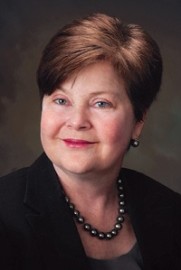
Sabra Sullivan MD, PhD, FAAD, will be the Academy’s next Assistant Secretary Treasurer following her selection for the role at the AAD Board of Directors meeting on May 4. Dr. Sullivan will serve in this role starting in March 2025, when the current Assistant Secretary Treasurer, Keyvan Nouri, MD, MBA, FAAD, will assume the role of Secretary Treasurer. Dr. Sullivan previously served as the chair of the AADA Council on Government Affairs and Health Policy from 2016-2020 and chair of the Congressional Policy Committee from 2012-2016.
She has also served as president and vice president of the Mississippi Dermatologic Society and served on the boards of directors of the American Dermatological Association and the Women’s Dermatologic Society. She earned her MD and PhD from University of Texas Southwestern Medical School in 1988 and completed her dermatology residency at Stanford in 1992. Dr. Sullivan practices at Dermatology Associates, LLC, in Jackson, Mississippi.
Advertisement
The American Academy of Dermatology is a non-profit professional organization and does not endorse companies or products. Advertising helps support our mission.