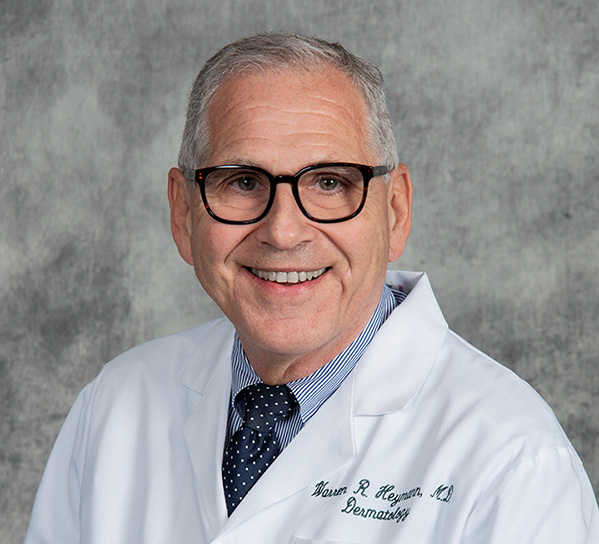
Sexual dysfunction associated with finasteride use in men with androgenetic alopecia
In a recent JAAD research letter, authors conducted an analysis to investigate the association between finasteride use and sexual dysfunction in men with androgenetic alopecia (AGA). A total of 7,700 reports of sexual dysfunction associated with finasteride were identified, with 68% of reports made between 2015 and 2019. There was a significant disproportionality signal for sexual dysfunction with finasteride versus drugs with a similar mechanism of action (e.g., dutasteride, minoxidil, etc.). The discrepancy was driven by men under the age of 45 and patients with AGA. The authors concluded that finasteride is associated with sexual dysfunction in men, especially those under the age of 45 years and with AGA; however, confounding factors by indication and increased reporting likely contribute to the recent increase in incidence reports.
Finasteride: Topical vs. oral for male androgenetic alopecia. Read more in DermWorld Weekly.
DermWorld Insights and Inquiries: Lagging ahead — LAG-3 checkpoint inhibition for advanced melanoma
Checkpoint inhibition has revolutionized the treatment of advanced melanoma over the past decade, beginning with the release of the anti-CTLA4 checkpoint inhibitor ipilimumab. This was followed by the development of the anti-PD-1 inhibitors pembrolizumab and nivolumab, and combination therapies of anti-CTLA4 and anti-PD1 checkpoint inhibition. Although nivolumab plus ipilimumab is now the standard of care for patients with advanced melanoma, approximately 30% of patients still receive PD-1 monotherapy to avoid toxicity concerns. As adjuvant therapy in high-risk resected stage III or IV melanoma, PD-1 inhibitors’ durable cancer control approaches nearly 50% of patients. This commentary will focus on the newest checkpoint inhibitors against lymphocyte activation gene 3. Keep reading!
FDA grants fast track designation for ichthyosis therapy
The FDA has granted a fast track designation to a topical formulation of isotretinoin (TMB-001, 0.05%) for the treatment of two of the most severe forms of congenital ichthyosis (CI) — X-linked recessive ichthyosis (XLRI) and autosomal recessive CI lamella ichthyosis (LI), according to a report by Healio. With no current FDA-approved treatments, patients treated with TMB-001 0.05% in a phase 2b trial had a clinically meaningful reduction in CI severity.
The randomized, parallel, double-blind, vehicle-controlled study was designed to evaluate the efficacy and safety of two concentrations of TMB-001 in patients with LI or XLRI. A total of 33 patients were randomized to receive either TMB-001 0.05%, TMB-001 0.1%, or vehicle twice daily for 12 weeks. Patients receiving TMB-001 on average demonstrated statistically significant more rapid relief of scaling and fissuring, with half of the patients demonstrating relief in 28 days or less. A phase 3 study is expected to begin in the second quarter of 2022.
A research letter published in JAAD Internationalanalyzed popular hidradenitis suppurativa content on TikTok to identify areas to improve patient outcomes. The authors searched TikTok for videos tagged with #hidradenitissuppurativa on April 1, 2021, and analyzed the top videos returned by the TikTok search algorithm to include 100 videos that met the inclusion criteria. The quality of the video content was determined by two independent reviewers using DISCERN, a validated questionnaire that assesses consumer health information quality based on criteria such as references, treatment risks and benefits, and information relevance using a scale of 1 (poor) – 5 (excellent). The videos had a mean DISCERN score of 1.77. Non-physicians created 84% of the videos with a mean DISCERN score of 1.63 and 13% of the videos were created by physicians with a mean score of 2.65.
Learn how dermatologists can use TikTok as a tool to engage with public health and promote dermatologic expertise in this month’sDermWorld.
Academy Advisory Board invites members to submit policy resolutions
The Academy’s Advisory Board invites all Academy members as well as state, local, and specialty dermatology groups to submit proposed AAD/A policy resolutions on issues of interest or concern. The Advisory Board convenes every year at the AAD Annual Meeting to deliberate on issues of importance to individual practitioners and propose new policies to the Academy’s Board of Directors for consideration.
If there is an issue of interest and/or concern, now is your opportunity to submit a resolution. If passed by the Advisory Board, it will go directly to the AAD/A Board of Directors. To get started on a resolution, determine who your state or local dermatology society’s Advisory Board Representative is by using the state society directory, and work with them to draft a policy resolution. The resolution should ask for the Academy to take specific action relating to advocacy or a general Academy policy.
Submit resolutions to Beth Laws at blaws@aad.org by June 7. The author or Advisory Board representative of the resolution must be present during the Reference Committee Hearing on Friday, July 22, to introduce and discuss the resolution. Even if you do not submit a resolution, the Academy strongly encourages all members to attend the Reference Committee Hearing to hear the debate on the proposed resolutions. The full Advisory Board will vote on the resolutions at the General Business Meeting on Sunday, July 24.
2022 MIPS EUC, Promoting Interoperability hardship exception applications available
CMS is now accepting 2022 MIPS Extreme and Uncontrollable Circumstances exception (EUC) and MIPS Promoting Interoperability hardship exception applications. Applications can be submitted through Dec. 31, 2022, 8 p.m. ET.
The MIPS Extreme and Uncontrollable Circumstances exception application allows you to request reweighting for any or all performance categories if you encounter an extreme and uncontrollable circumstance or public health emergency, such as COVID-19, that is outside of your control.
You face extreme and uncontrollable circumstances such as disaster, practice closure, severe financial distress, or vendor issues
You lack control over the availability of CEHRT
Advertisement
The American Academy of Dermatology is a non-profit professional organization and does not endorse companies or products. Advertising helps support our mission.