How effective are steroid-sparing agents in treating chronic alopecia areata?
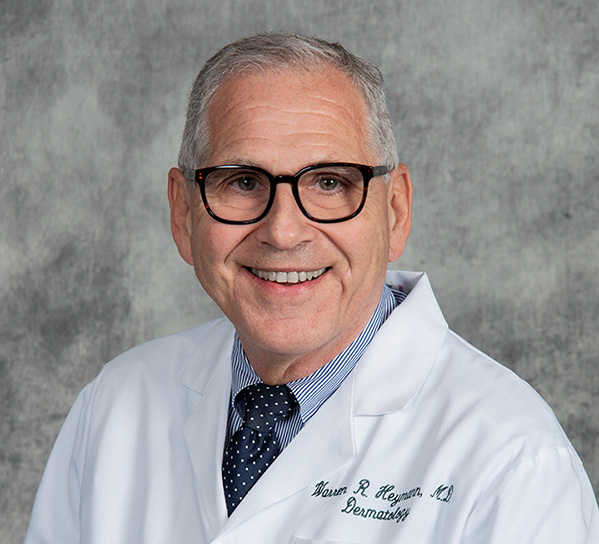
A study published in the Journal of the European Academy of Dermatology and Venereologyexamined using azathioprine, methotrexate, and cyclosporine as steroid-sparing agents (SSA) in chronic alopecia areata. Of the 138 patients, 75% of those on azathioprine continued the medication at 12 months compared with 50% of patients on methotrexate and 60.5% of patients on cyclosporine. Of the patients continuing to use SSA at 12 months, nearly 36% were able to stop prednisone — and those who continued to require it required a mean daily dose of 6.36 mg.
Compared with methotrexate and cyclosporine, azathioprine was the SSA used most frequently for alopecia areata and had the highest rate of continuation at 12 months. However, 64% of patients on SSAs still required concurrent low-dose prednisone to maintain remission or promote continued hair growth.
Where does platelet rich plasma stand in dermatology? DermWorldexamines what’s known and unknown about using PRP to treat alopecia and other dermatologic conditions.
DermWorld Insights and Inquiries: Raising a toast to advances in treating alcohol-induced flushing
Whether with pride or embarrassment, we have all blushed. Also known as flushing, the process is defined as a visible reddening of the skin accompanied by a sensation of warmth, characteristically affecting the face, ears, neck, and upper chest. Of the myriad causes of flushing (fever, hyperthermia, emotions, menopause, medications, food, hypersensitivity reactions, rosacea, hyperthyroidism, dumping syndrome, superior vena cava syndrome, and neurologic disorders), alcohol is a major precipitant.
Aldehyde dehydrogenase 2 (ALDH2) deficiency is very common, affecting 8% of the world population, with the highest prevalence (35%–45%) in people of East Asian descent. Mutations in ALDH2 are responsible for the Asian flush syndrome (AFS), characterized by facial flushing, headache, nausea, dizziness, and cardiac palpitations after consumption of alcoholic beverages. Keep reading!
Derm Coding Consult: Coding for office visit evaluation and management (E/M) in 2021 and beyond: FAQs
A new 50-year-old male patient presents for skin cancer screening. He has no other concerns. No data is reviewed. A total body skin exam is performed. On exam, he has a few scattered nevi and seborrheic keratoses, but nothing remarkable. No treatments are recommended, but he is counseled on the importance of using sunscreen. He will follow up as needed. Using medical decision making, what is the appropriate E/M code for this encounter?
FBI warns of cybercrime threat to health care providers, hospitals
The Federal Bureau of Investigation (FBI) along with two other federal agencies are warning of an “imminent cybercrime threat” to U.S. hospitals and health care providers, noting that several hospitals have already been attacked.
[That's not me! Learn more about how to protect yourself from identify theft in DermWorld.]
“Malicious cyber actors” may soon be planning to “infect systems with Ryuk ransomware for financial gain” on a scale not yet seen across the American health care system. The agencies advise physician practices and public health organizations take “timely and reasonable precautions to protect their networks from these threats.”
They recommend several mitigation steps and best practices for health care entities to take to reduce their risk, including the following:
Patch operating systems, software, and firmware as soon as manufacturers release updates.
Regularly change passwords to network systems and accounts and avoid reusing passwords for different accounts.
Can dermoscopy be used to evaluate skin barrier repair?
An article published in theJournal of Cosmetic Dermatology showed that physiological changes in the skin barrier could be clearly observed with the dermatoscope, suggesting it may have utility in assessing skin barrier integrity and function.
The study enrolled 25 patients with normal forearm skin that underwent repeated tape-stripping to remove the stratum corneum, followed by examination with the dermatoscope to observe skin repair. Patients were divided into three groups based on the number of tape-stripping repetitions: 30, 35, and 40 times for group A, B, and C, respectively. Dermoscopy was performed before tape stripped, immediately after, and at follow-up visits on days 3, 7, 14, and 21.
Immediately after 30 tape stripping repetitions (group A), a small amount of cuticle cells could be identified via dermoscopy. In group B, dermoscopic images showed no cuticle cell residue, instead displaying “blurry vessels.” In group C, branching vessels with no cuticle cell residue were observed immediately after stripping. The researchers noted that 3 days after tape stripping, vessels were no longer visually apparent in any group. At day 7, keratin was most apparent in group C compared to other groups. During the repair process, scab formation occurred by day 14, day 7, and day 3 for groups A, B, and C, respectively.
Over the past two decades, dermoscopy has proven its value in evaluating pigmented lesions and detecting melanoma. Now the technology is building a track record in applications beyond the realm of pigmented lesions — and winning converts among dermatologists of all ages. Read more in DermWorld.
Academy seeks assistant secretary-treasurer nominees
Applications and nominations are now being solicited for the position of assistant secretary-treasurer for the American Academy of Dermatology and AAD Association for the term beginning March 2022.
Members interested in serving the Academy in this position should have significant administrative and financial management experience. The position of assistant secretary-treasurer requires a considerable time commitment. Applicants must be able to serve for six years: three years as assistant secretary-treasurer and three additional years as secretary-treasurer.
Learn more about the position and apply at www.aad.org/AST. Applications are due Jan. 4, 2021. Questions may be directed to Cyndi Del Boccio in the AAD Executive Office at (847) 240-1041 or cdelboccio@aad.org.
Advertisement
The American Academy of Dermatology is a non-profit professional organization and does not endorse companies or products. Advertising helps support our mission.