DermWorld: You and your colleagues described the newly defined COVID-19-associated multi-inflammatory syndrome in children (MIS-C) in 186 children occurring between March 15-May 20, 2020. What have we seen since your report and do we know anything new about this fascinating, but obviously worrisome, syndrome?
Dr. Randolph: There have now been numerous studies confirming the syndrome in different populations and the CDC just announced that it can occur in adults (MIS-A). The number of children who are Black and Hispanic or Latino who are affected is still very high, and we are not certain why this is. To date, it is being blamed on higher exposure in those communities. It is still true that although most children with MIS-C are critically ill, 98% or more survive. Researchers are focusing on long-term outcomes, especially for those with heart involvement.
DermWorld: What do the numbers look like today? Do you think it is likely your original study missed a lot of affected children in states that were not included in the study?
Dr. Randolph: There have been over 1,000 cases reported in the U.S. to the public health departments and CDC. I believe that our original study captured patients in states that were most affected by COVID-19, so it did have good capture, but it did miss many cases. How many is hard to figure out.
DermWorld: Is there a good way to distinguish MIS-C from Kawasaki’s disease?
Dr. Randolph: MIS-C affects older children (average age eight to nine years) where Kawasaki’s disease (KD) affects mostly children under five years and mostly younger than that. MIS-C causes shock in 50% of cases whereas shock in KD is low at only 5%. Only 40% of patients with MIS-C would meet criteria for the diagnosis of KD and possibly fewer.
DermWorld: Do we have any clue why the disease manifestations of COVID-19 infection in children range from asymptomatic carriage to this multisystemic illness?
Dr. Randolph: There are many hypotheses, from the ACE-2 receptors being different in children to a more robust innate immune response to prior exposures. However, nobody knows for certain why some children, and it is rare, will get MIS-C, whereas the great majority have mild illness or are asymptomatic.
DermWorld: Is there any consensus yet on management for affected children?
Dr. Randolph: For those patients who do get treated, which is usually the sicker patients with MIS-C albeit the majority do get treated, almost all of those who do get treated get IVIG and some get steroids as well and a smaller number get biologic agents targeting cytokines mostly in combination with IVIG and/or steroids.
“Almost all of those who do get treated get IVIG and some get steroids as well and a smaller number get biologic agents targeting cytokines mostly in combination with IVIG and/or steroids.
”
─ Adrienne Randolph, MD, MS
DermWorld: It’s obviously too early to talk about long-term prognosis in affected children, but how are the affected children doing so far? Will they need long-term monitoring like our children with Kawasaki’s disease?
Dr. Randolph: To date, recovery looks promising but the complex studies needed to evaluate the heart have to be done, which include MRI and follow-up echocardiograms. The National Heart Lung and Blood Institute has funded a study called MUSIC that will follow up the cardiac status of these patients and the National Institute of Allergy and Infectious Disease has funded a study called PRISM. Both have started but we won’t know their findings for a year as follow up is a year or more.
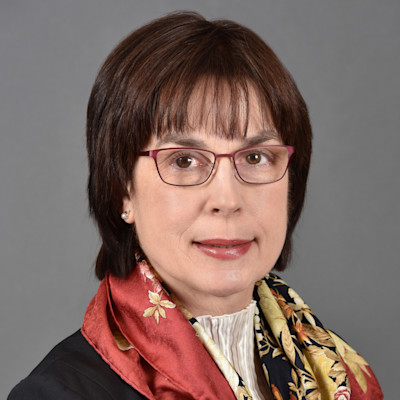
Adrienne Randolph, MD, MS, serves as senior associate in Critical Care of the Department of Anesthesiology, Critical Care and Pain Medicine at Boston Children’s Hospital. She is also professor of Anaesthesia and Pediatrics at Harvard Medical School and is the director of the Pediatric Intensive Care Influenza and Emerging Pathogens Network. Her paper
"Multisystem Inflammatory Syndrome in U.S. Children and Adolescents" appeared in the New England Journal of Medicine. Dr. Randolph has no relevant financial or commercial conflicts of interest.
Disclaimer: The views and opinions expressed in this article do not necessarily reflect those of DermWorld.
The American Academy of Dermatology is a non-profit professional organization and does not endorse companies or products. Advertising helps support our mission.