Learn about the Academy's advocacy priorities and how to join efforts to protect your practice.
Advertisement
Advertisement
Virtual grand rounds
Answers in Practice
By Emily Margosian, assistant editor, July 1, 2021
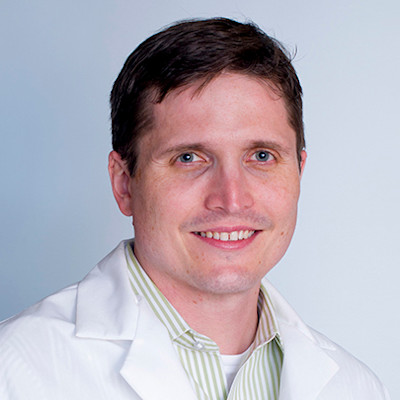
DermWorld talks to Stephen Ostrowski, MD, PhD — dermatology instructor at Harvard Medical School and grand rounds course director for Massachusetts General Hospital’s Department of Dermatology — about the advantages and challenges of hosting virtual grand rounds.
DermWorld: What prompted your department to pivot to a virtual grand rounds format?
Dr. Ostrowski: It was entirely due to the COVID shutdown. At first, we weren’t sure how long the shutdown was going to last. Once we realized it was going to be prolonged, we polled our faculty to see what they thought would work well virtually. We have always done our grand rounds series in person and really did not have any plans to switch to a virtual format. However, since we couldn’t have in-person gatherings, making the switch to virtual allowed us to restart our grand rounds series about four to six weeks after the first shutdown.
DermWorld: Have there been any growing pains or challenges from
converting to a virtual series?
Dr. Ostrowski: I think overall it went smoothly. We use the Zoom program, which is very user friendly. We have an institutional account that we use to set up the meetings; people can log on to other computers, and it is pretty point and click for them.
I host the meetings, so in the beginning I went through and did all the tutorials. They have a lot of good online resources, so you learn all the different functions: how to mute participants if they need to be muted or unmuted, how to monitor the chat screen, how to set up the meetings, and things like that. From a user standpoint, it’s been very straightforward for the participants. They just click the link, and it opens up automatically on their computer.
Dr. Ostrowski: I think attendance is potentially a little bit higher, particularly for people who are off site. The Harvard dermatology residency training program is multi-site; there are multiple institutions involved, and ours is only one of the institutions. At Massachusetts General, we typically have two grand rounds per month, and the other sites (Brigham and Women’s, Beth Israel, and Lahey) also have monthly grand rounds. Geographically, they’re separate, so usually the faculty members from other programs don’t attend our grand rounds. Since going virtual, I think it’s a little bit easier for people from other sites to attend.
DermWorld: Have there been other advantages from moving to a virtual format?
Dr. Ostrowski: I think that people appreciate the flexibility of it. Normally, the event is an entire morning, so if you’re not going to be on-site that day, you’d come down for the grand rounds. Now if people are doing other things, or if they have clinic afterwards, I think they like that they can just log in and out and do it virtually.
DermWorld: Has anything been lost in the transition from in-person to onscreen?
Dr. Ostrowski: The component of grand rounds that’s case-based, where patients used to come into the clinic and you’d examine them, is obviously missing. As we’re finding clinically, a lot of what we do as dermatologists can’t be done 100% by telemedicine. You have to be able to physically see the patient to really do a proper dermatology examination. For the lectures, I think overall it works well, but sometimes it’s hard to gauge the level of engagement with the audience. With in-person there’s also the added benefit that when we invite speakers, you get to meet people from outside institutions and network. We’ve tried to replicate that by planning our virtual visits as we would an in-person visit, which would typically involve individual meetings between our faculty members and the incoming speaker. We’ve continued that in the virtual format, although the personal connection is a bit lost.
DermWorld: How do you ensure patient privacy in a virtual format where others could potentially gain access?
Dr. Ostrowski: We have a specific mailing list that it’s sent to, and it is password protected. We also monitor to make sure that the people who are signing on are part of our program.
Does your department post recorded, non-confidential grand rounds for residents?
DermWorld: Does your department post recorded, non-confidential grand rounds for residents?
Dr. Ostrowski: We’ve recorded some of them, and it does depend on whether there are any patient privacy concerns, for example whether the patients have been consented for a durable recording. A lot of the talks will include research, so we also take into consideration whether it includes unpublished data, and the comfort level of the speaker for a recording. However, we have recorded a few, mainly only for residents who are unable to attend the grand rounds.
DermWorld: Do you have a dedicated moderator for each virtual session?
Dr. Ostrowski: It fluctuates a little bit. The first week of the month, the grand rounds features an invited outside speaker who comes and gives a lecture. Either I moderate those sessions, or one of the faculty members who helped invite that speaker will moderate the session. In the third week of the month, we do a patient case-based grand rounds. That would be where we used to have the patients come into the clinic, and then all the physicians would examine the patients and go back and do the case conference. For those sessions, typically one of the residents will moderate with help from one of the attendings, and that format has continued virtually.
DermWorld: What are some strategies you use to encourage participation?
Dr. Ostrowski: As with all virtual meetings, it can be hard to tell if you’re engaging the audience or not. I think the invited speakers have done a really nice job. They will sometimes do poll questions, or things like that. We’ve also tried to incorporate poll questions when the residents do their case conference. A lot of times in person, you’d be polling the audience or asking people to raise their hands on what they think might be the best course of treatment for the patient presented. The residents have done a nice job replicating that virtually, and I think that feature of it is even better than you can do in person, because some people may be hesitant to raise their hand. With the virtual poll questions, you get a really great percentage of people responding to the question, and a nice visual of what all the responses are.
“We’ve also tried to incorporate poll questions when the residents do their case conference. The residents have done a nice job replicating polling virtually, and I think that feature of it is even better than you can do in person, because some people may be hesitant to raise their hand.”
DermWorld: How do you prepare before a lecture to ensure there are no technical glitches?
Dr. Ostrowski: Ironically, I’d say IT was probably a bigger issue in-person because we had physical equipment and would have instances where you’d show up and the computer or the projector wasn’t working. The Zoom format has been pretty straightforward. Generally, when I am the host, I set up the meeting ahead of time and with the help of our department administrators send the email links. I usually log on about 15 minutes before, and then invite the speaker or the resident who’s presenting that day, and they also log in around that time. We run through things together to make sure they can share their screen, and that their audio is coming through.
DermWorld: Do you think virtual grand rounds are here to stay?
Dr. Ostrowski: Ultimately, our department leadership committee will make a final decision on that, but I think that at least some component of it will be incorporated in the long term. For example, if an invited speaker was unable to make it in-person because of a weather problem, instead of having to cancel and reschedule, hosting virtually might allow us to still move forward with the event. We’ve also had the opportunity to invite international speakers for our grand rounds, which typically was very challenging before.
Stephen Ostrowski, MD, PhD, is an instructor in dermatology at Harvard Medical School, and grand rounds course director for Massachusetts General Hospital’s Department of Dermatology.
The American Academy of Dermatology is a non-profit professional organization and does not endorse companies or products. Advertising helps support our mission.