DermWorld: Can you describe the focus of this study and share what prompted you to look at this “new use for an old drug?”
Dr. Tosti: The idea of looking at a new way to administer an old drug is already a few years old with the first studies published by Dr. Sinclair in 2017-2018. Basic reasons are that patients don’t like to apply topical minoxidil on their scalp as it requires time, requires them to look at their hair loss twice a day, and makes their hair quality poor as their hair looks dirty.
DermWorld: What did you find, and did any of these results surprise you?
Dr. Tosti: We found that the drug is very well tolerated. The most common side effect is hypertrichosis, but only a few patients decided to interrupt the treatment because of that (0.5% of cases). We already had this impression, but this study, even though retrospective, included a large number of patients and is very reassuring.
“We found that the drug is very well tolerated. The most common side effect is hypertrichosis, but only a few patients decided to interrupt the treatment because of that. This study, even though retrospective, included a large number of patients and is very reassuring.”
DermWorld: Those of us old enough to have used minoxidil to treat blood pressure, likely recall the significant hypertrichosis it caused. Does using lower doses minimize this risk?
Dr. Tosti: Risk of hypertrichosis increases with dose, with 0.25 to 0.50 mg, which is what I utilize in most women. About 10% of patients develop hypertrichosis, but it’s minimal in most cases.
DermWorld: Are there any significant toxicities we should consider if we are thinking about using this medicine? Do we need to monitor blood pressure? Is there anyone you feel should not receive oral minoxidil?
Dr. Tosti: Blood pressure is very rarely affected, and systemic side effects are very uncommon. However, we need to ask about cardiac disorders and be careful if we compound the medication, as pharmacists might not be aware of patients’ use of low-dose minoxidil and mistakes can happen. Contraindications are heart disorders, arrythmias, pheochromocytoma, and pregnancy.
DermWorld: Since this was a retrospective study, is there anything else you would have chosen to look for in a prospective study?
Dr. Tosti: I think we looked at all possible side effects, but I would monitor the blood pressure and the pulse in a prospective study to see if there are real changes, as I doubt this is happening in reality with doses lower than 1 mg, even if sometimes patients complain.
DermWorld: Do you think this will become a regular drug in our armamentarium for treating alopecia and, if so, which types of hair loss do you think it will most benefit?
Dr. Tosti: I am increasingly using oral minoxidil as I feel more confident about tolerability. It improves the hair density overall, and is useful in all types of alopecia in association with other treatments.
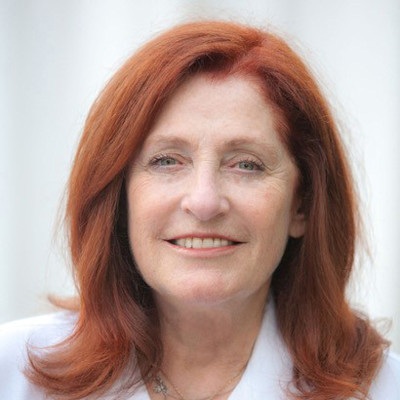
Antonella Tosti, MD,
is the Fredric Brandt Endowed Professor at the Dr. Phillip Frost Department of Dermatology and Cutaneous Surgery at the University of Miami. Her paper appeared in JAAD. Dr. Tosti has no relevant financial or commercial conflicts of interest to disclose.
Disclaimer: The views and opinions expressed in this article do not necessarily reflect those of DermWorld.
The American Academy of Dermatology is a non-profit professional organization and does not endorse companies or products. Advertising helps support our mission.