












April 8, 2020
IN THIS ISSUE / April 8, 2020
Employers’ legal responsibilities during COVID-19: What you need to know.
DW Insights and Inquiries: The profound dermatologic manifestations of COVID-19: Part III

Employers’ legal responsibilities during COVID-19: What you need to know.
As employers, what do dermatologists need to know about the legal implications of requiring remote work, furloughs, layoffs? What do dermatologists need to know about changes to FMLA and sick leave? Learn more with this Dermatology World special content preview.
The Academy has developed new free Dialogues in Dermatology episodes covering COVID-19. Check out the latest, “COVID-19 Dermatology Roundtable,” with Arianne Shadi Kourosh, MD, MPH, Misha Rosenbach, MD, Lindy Fox, MD, Scott A. Norton, MD, MPH, and Esther Freeman, MD, PhD. Go to https://account.aad.org/library/podcasts. To listen on your phone, select your favorite podcast app and choose the episode title, or scroll down and click play to listen on your computer.
The AAD has also assembled resources on COVID-19, including guidance on how to adjust to the outbreak in your clinic, legislative and regulatory updates that may impact you and your practice, information about the business implications of the outbreak, and the latest information on how to use teledermatology to provide care during the outbreak. Check out the Academy’s COVID-19 resources.
Related content:
DW Insights and Inquiries: The profound dermatologic manifestations of COVID-19: Part III
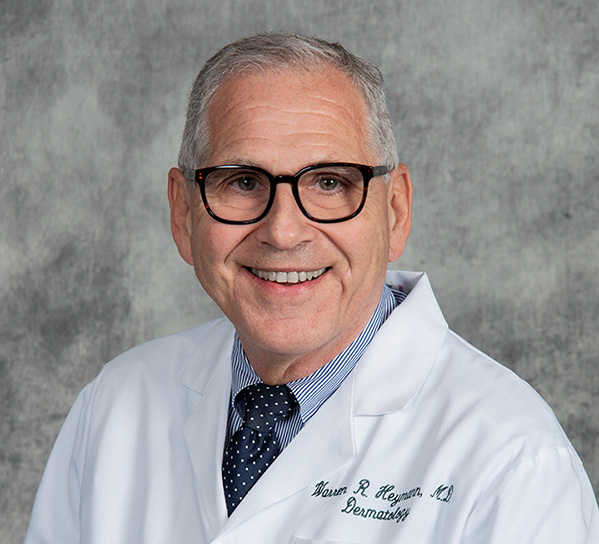

ABD relaxes 2020 MOC requirements
On March 27, the American Board of Dermatology announced significant changes to its 2020 MOC requirements for dermatologists in light of the COVID-19 pandemic. The changes include:
Cutting the required number of CertLink segments and questions for 2020 in half and extending due dates for the year
Allowing those scheduled to take the secure exam in 2020 to switch to CertLink or postpone their exam for an extra six months to complete it (until June 2021)
Waiving the 2020 CME requirement
Deferring self-assessment to the end of 2021
Allowing Diplomates to defer practice improvement exercises until the end of 2021 if they prefer
Dermatology World Weekly spoke with ABD Executive Director Thomas Horn, MD, about these changes. Keep reading!
Academy election results announced
Results for the Academy’s 2020 election have been announced.
Pilot study examines hydroxychloroquine for COVID-19
A recent pilot study published in the Journal of Zhejiang University found that hydroxychloroquine may not offer additional benefit to COVID-19 patients who are being treated with conventional treatments, such as bed rest and antiviral medications.
The authors prospectively enrolled 30 treatment-naïve patients with confirmed COVID-19 at the Shanghai Public Health Clinical Center. Patients in the hydroxychloroquine treatment group were given 400 mg per day for five days in addition to conventional treatments. The control group was given only conventional treatment. The authors checked for a negative conversion rate of COVID-19 nucleic acid in respiratory pharyngeal swabs seven days after randomization and found negative throat swabs in 13 patients in the HCQ group and 14 patients in the control group. The study’s authors indicated that more research is needed to determine the efficacy of hydroxychloroquine in treating COVID-19.
The generic malaria drug hydroxychloroquine, which is also used to treat systemic lupus erythematosus (SLE), is now experiencing a shortage after being touted for its purported success against COVID-19. The FDA has now added hydroxychloroquine to its drug shortages list, which allows compounding pharmacies to make it, should your patients have difficulty filling prescriptions for the manufactured product. More information on hydroxychloroquine access for patients with lupus can be found on the AAD’s Coronavirus Resources page.
Related content:
Social distancing = social learning?
According to a recent Viewpoint article published in JAMA Dermatology, Twitter journal clubs offer at least five distinct advantages compared with traditional journal clubs. According to the article, Twitter journal clubs may: offer a full solicitation of articles in the current literature, enable more diverse and larger conversations, promote the dermatology specialty to a broader audience, create a public record of conversations to reference in the future, and allow for multi-specialty dialogue.
According to the paper, survey results from 282 participants in a urology journal club indicated that 81% of respondents found the Twitter journal club helpful, and 39% indicated that they changed parts of their practice based on the online discussion.
Dermatologists have been harnessing the twittersphere for clinical discussion, patient education, and more. Read more in Dermatology World.
Related content:
The evolution of education – Dermatology World (November 2019)
How do you keep up with the latest journals? – Dermatology World (October 2018)
Digital marketing for dermatologists – Dermatology World (September 2019)
Academy on-demand webinar: Likes, Reviews, and You: Social Media Marketing for Your Practice
